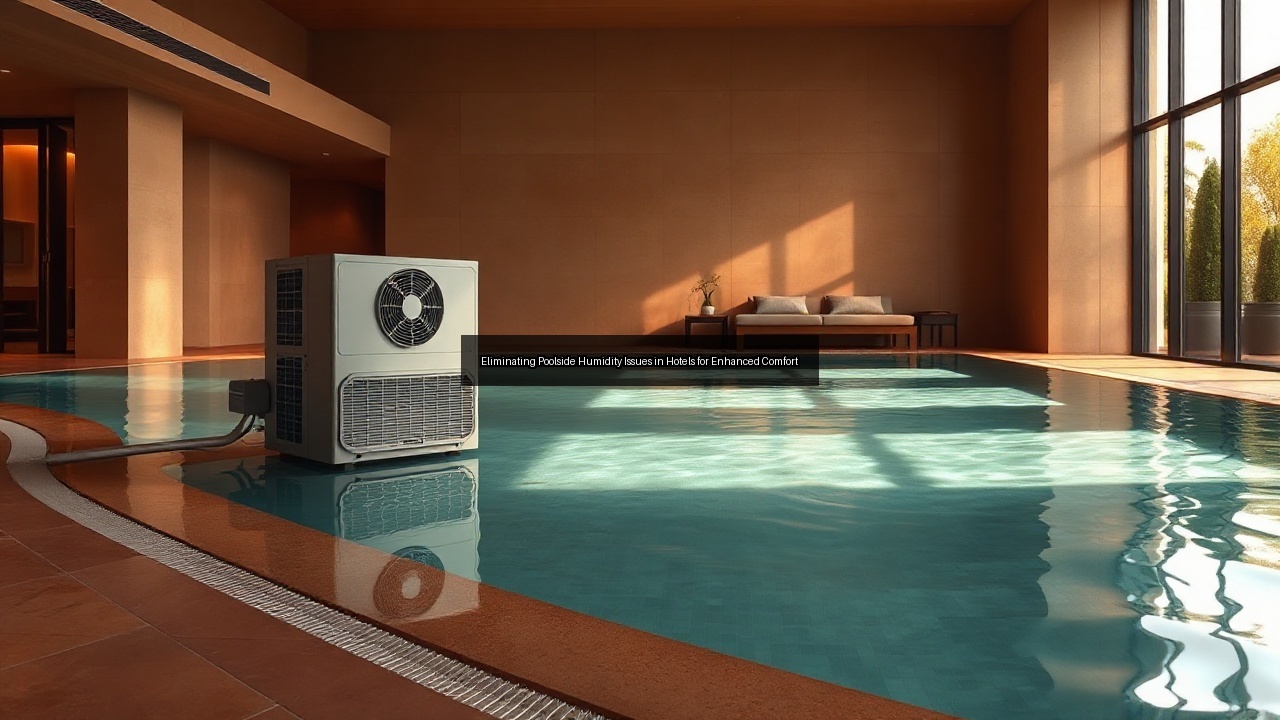
Eliminating Poolside Humidity Issues in Hotels for Enhanced Comfort
Understanding the Importance of Humidity Control in Hotels
The Impact of Humidity on Guest Comfort
Humidity plays a crucial role in determining the comfort of guests in hotels, especially those with indoor swimming pools. High humidity levels can lead to discomfort, making it difficult for guests to enjoy their time by the pool. When humidity rises, it creates a sticky and oppressive atmosphere, which detracts from the overall experience. Furthermore, excessive moisture can promote mold growth, leading to unpleasant odors and potential health risks. Guests expect a relaxing environment, and a well-controlled humidity level enhances their comfort and satisfaction. Effective humidity control not only improves guest experiences but also protects the hotel’s infrastructure, ensuring long-term viability and reducing maintenance costs.
Common Sources of Humidity in Indoor Pools
Indoor swimming pools, or natatoriums, are significant contributors to humidity levels in hotels. The evaporation from the pool's surface introduces a substantial amount of moisture into the dehumidified air. Factors such as water temperature, air temperature, and pool activity level can exacerbate this effect. Additionally, poor ventilation systems can trap humid air, intensifying the discomfort for both guests and staff. Showers, locker rooms, and even the process of cleaning the pool contribute to indoor humidity. Identifying these sources is vital for implementing effective humidity control solutions. Addressing the problem at its source helps create a more pleasant environment for everyone and minimizes the risk of moisture-related damage.
The Role of HVAC Systems in Humidity Management
HVAC systems are integral to managing humidity levels in hotels, particularly those with indoor swimming pools. A well-designed HVAC system functions to regulate temperature and humidity by circulating air throughout the facility. Advanced HVAC solutions often incorporate dehumidification units specifically tailored for indoor pools. These systems work by cooling the air, which causes condensation of moisture, effectively removing it from the environment. By maintaining optimal humidity levels, HVAC systems contribute significantly to guest comfort and health. Regular maintenance and upgrades to HVAC systems can enhance their efficiency, ensuring they effectively manage humidity and improve air quality within the hotel.
Dehumidification Solutions for Hotel Swimming Pools
Choosing the Right Dehumidification Unit
Selecting the appropriate hotel swimming pool dehumidifier is essential for managing humidity effectively. Various factors come into play, including pool size, location, and usage patterns. A properly sized dehumidification unit ensures efficient moisture removal while minimizing energy consumption. It's crucial to consult with HVAC professionals to assess the specific needs of the indoor pool area. They can recommend units that align with ASHRAE standards for indoor pool environments, ensuring compliance with industry protocols. Investing in the right dehumidification unit not only enhances guest comfort but also protects the hotel’s infrastructure from humidity-related damage.
Types of Air Dehumidifiers for Indoor Pools
Different types of air dehumidifiers serve specific needs in indoor swimming pools. Refrigerant dehumidifiers work by cooling the air, causing moisture to condense and be drained away. These units are effective in warmer climates or during peak pool usage. Desiccant dehumidifiers, on the other hand, utilize materials that absorb moisture from the air and are particularly beneficial in cooler conditions. Choosing between these options depends on factors such as climate, pool usage, and energy efficiency goals. Integrating the right type of air dehumidifier into the hotel’s HVAC system can dramatically improve humidity control, creating a more pleasant environment for guests.
Energy Recovery and Its Benefits in Humidity Control
Energy recovery systems play a significant role in humidity control for hotel swimming pools. These systems capture waste heat from the air or water and use it to pre-heat incoming air or water, reducing energy consumption. This not only lowers operational costs but also enhances humidity management. By employing energy recovery ventilators (ERVs), hotels can improve air quality while efficiently managing humidity levels. These systems provide a continuous exchange of fresh air and help maintain a stable indoor climate. Incorporating energy recovery solutions into the hotel's HVAC design ensures a sustainable approach to humidity control while promoting guest comfort.
Design Considerations for Effective Humidity Management
Integrating Dehumidifiers into Pool Design
When designing an indoor pool area, integrating dehumidifiers into the overall layout is essential for effective humidity management. The placement of dehumidification units should allow for optimal airflow and easy maintenance. Ideally, these units should be located near the pool area, ensuring efficient removal of humid air. Design elements such as high ceilings and strategically placed vents can enhance air circulation and support the dehumidification process. Collaborating with architects and HVAC professionals during the design phase allows hotels to create a functional and aesthetically pleasing environment that effectively manages humidity and enhances guest experiences.
ASHRAE Standards for Indoor Pool Environments
Adhering to ASHRAE standards is critical for ensuring optimal indoor pool environments in hotels. ASHRAE provides guidelines for humidity control, ventilation rates, and air quality in natatoriums. Following these standards helps hotels maintain comfortable conditions while promoting health and safety. Compliance with ASHRAE guidelines not only enhances guest comfort but also protects the hotel’s reputation. Regular audits and assessments ensure that the facility meets these standards, fostering a culture of quality and care in hospitality. Incorporating ASHRAE recommendations into the design and operation of indoor pools establishes a solid foundation for effective humidity management.
Best Practices for Climate Control in Hotels
Implementing best practices for climate control in hotels, especially those with indoor swimming pools, significantly enhances guest experiences. Start by conducting regular assessments of HVAC systems, including filters and dehumidification units, to ensure optimal performance. Utilize smart technology to monitor humidity levels in real-time, allowing for immediate adjustments when necessary. Training staff on routine maintenance and troubleshooting common issues fosters a proactive approach to humidity control. Additionally, educating guests about proper pool usage can help minimize humidity levels. These practices create a comfortable environment, improve air quality, and protect the hotel’s investment in its facilities.
Maintaining Your Hotel Pool Dehumidifier
Routine Maintenance for Long-Term Efficiency
Routine maintenance of the hotel swimming pool dehumidifier is vital for ensuring long-term efficiency and reliability. Regular inspections and cleaning of filters prevent airflow restrictions and maintain optimal performance. Technicians should check refrigerant levels, inspect ductwork for leaks, and assess the overall functionality of the unit. Scheduling professional maintenance at least twice a year helps identify potential issues before they escalate. A well-maintained dehumidifier not only operates more efficiently but also prolongs its lifespan, ultimately saving hotels on replacement costs. Prioritizing maintenance creates a stable environment for guests and protects the hotel’s infrastructure from humidity-related dehumidifer damage.
Troubleshooting Common Issues
Addressing common issues with hotel pool dehumidifiers requires a clear understanding of potential problems. Frequent cycling on and off, unusual noises, or insufficient humidity control often signal underlying issues. Checking for clogged filters, low refrigerant levels, or malfunctioning sensors can help identify the problem. When troubleshooting, always consult the manufacturer’s guidelines to avoid further damage. Training hotel staff on basic troubleshooting techniques empowers them to address minor issues promptly, reducing downtime and enhancing guest comfort. Establishing a reliable service protocol ensures that any complications are resolved quickly, maintaining optimal humidity control in the indoor pool area.
The Future of Dehumidification Technology in Hospitality
The future of dehumidification technology in the hospitality industry looks promising, with advancements aimed at improving efficiency and sustainability. Innovations such as smart dehumidifiers that integrate with HVAC systems offer real-time monitoring and automated adjustments based on occupancy and environmental conditions. These technologies reduce energy consumption and enhance guest comfort. Moreover, the use of eco-friendly refrigerants aligns with growing environmental concerns within the hospitality sector. As hotels strive to create comfortable, healthy environments for guests, investing in cutting-edge dehumidification solutions will become increasingly important. Embracing these advancements positions hotels as leaders in climate control and dehumidifer guest satisfaction.