How Quality Control Shapes the Future of Grease Manufacturing
The Importance of Quality Control in Grease Manufacturing
Understanding Quality Control Standards
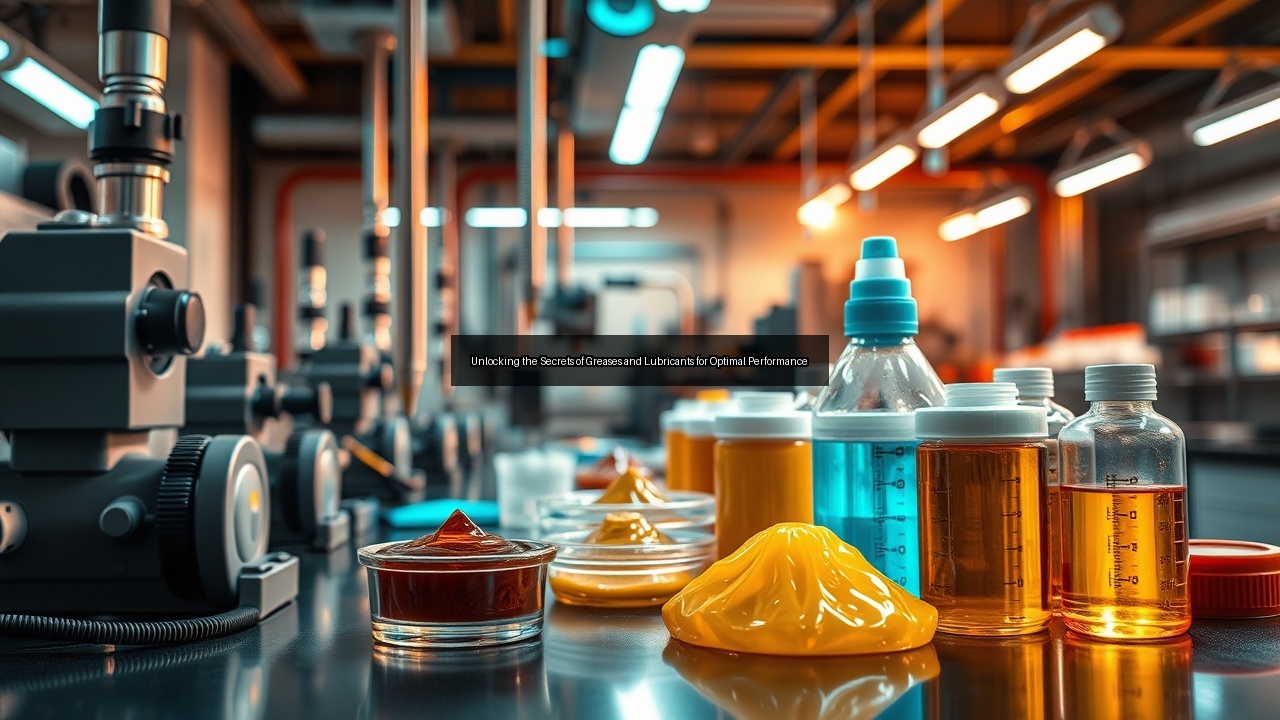
Quality control sets the foundation for reliable greases lubricants that perform under extreme conditions. Manufacturers test every batch of lubricating grease for consistency, viscosity, and shear stability before release. These standards prevent failures in bearings and gears across automotive and heavy machinery applications. Strict protocols cover raw material inspection through final packaging, ensuring no contaminants compromise the product. Grease producers measure dropping points and penetration values to confirm stability at high temperatures. They also evaluate water resistance and oxidation resistance to match demanding operational environments. By following documented procedures, companies maintain batch-to-batch uniformity that customers rely on for consistent lubrication performance. This disciplined approach reduces downtime and extends equipment life in factories and fleets alike.
The Role of the National Lubricating Grease Institute (NLGI)
The National Lubricating Grease Institute establishes classification systems that guide grease formulation worldwide. NLGI grades range from 000 to 6 based on consistency, helping users select the right product for their needs. The organization publishes test methods that measure performance traits such as load-carrying capacity and corrosion protection. Manufacturers reference these standards when developing new greases and lubricants to meet industry expectations. NLGI also certifies products through its certification mark program, giving buyers confidence in quality. Participation in NLGI events keeps producers updated on evolving requirements for industrial lubrication. Companies that align with these guidelines deliver greases that satisfy regulatory and customer demands across global markets.
Impact of Quality Control on Product Performance
Effective quality control directly determines how well greases perform in lubrication systems. Consistent formulations maintain film strength that protects metal surfaces from wear under heavy loads. Products that pass rigorous testing resist breakdown during prolonged operation at elevated temperatures. Quality checks catch variations in thickener distribution or base oil blends before they reach end users. This attention results in longer relubrication intervals and fewer equipment replacements. Industrial users notice fewer failures when they specify greases lubricants produced under tight controls. Reliable performance builds trust and supports repeat business in competitive lubricant markets.
Types of Greases and Their Manufacturing Processes
Lithium Grease: Advantages and Applications
Lithium grease dominates the market because of its excellent mechanical stability and wide temperature range. Producers create this lubricating grease by reacting lithium hydroxide with fatty acids in a controlled manufacturing process. The resulting soap thickener holds base oil effectively, delivering smooth operation in both high-speed and high-load conditions. Lithium grease resists water washout and provides strong corrosion protection on steel components. Automotive manufacturers use it in wheel bearings and chassis points, while industrial plants apply it to electric motors and conveyors. Its pumpability allows easy dispensing through centralized systems. Quality control during lithium soap formation ensures the final product meets exact NLGI consistency targets every time.
Calcium-Based Greases: Characteristics and Uses
Calcium greases offer strong water resistance and good adhesion to metal surfaces. Manufacturers produce them through a simpler process that combines calcium hydroxide with fatty acids at lower temperatures than lithium reactions. These greases perform well in wet environments such as marine equipment and agricultural machinery. Calcium-based products maintain structure under moderate loads but soften at higher temperatures. Quality control teams monitor soap content and base oil compatibility to prevent separation during storage. Many plants blend calcium greases with additives to improve extreme pressure performance for specific greases for industry applications. Their cost-effectiveness makes them a practical choice for general lubrication tasks where high heat is not a factor.
Industrial Greases: Tailoring for Specific Needs
Industrial greases cover a broad category formulated for unique operating conditions in factories and processing plants. Producers adjust thickener types, base oils, and additive packages during manufacturing to address high pressure, vibration, or chemical exposure. Some industrial greases incorporate solid lubricants like molybdenum disulfide for sliding contacts. Others use synthetic base stocks to extend service life in continuous operations. Quality control verifies compatibility with seals and resistance to contamination from process fluids. These tailored greases lubricants reduce maintenance frequency and protect expensive capital equipment. Engineers specify exact performance criteria so suppliers deliver products that integrate seamlessly into existing lubrication programs.
Innovations in Quality Control Techniques
Emerging Technologies in Grease Testing
New testing technologies allow faster and more precise evaluation of greases during production. Spectroscopic methods identify molecular changes in base oils and additives without destroying samples. Automated viscometers measure flow behavior across temperature ranges in minutes rather than hours. Advanced imaging detects particle contamination that older methods might miss. These tools help manufacturers maintain tight tolerances on grease materials and catch deviations early. Real-time sensors embedded in mixing vessels track reaction progress for lithium and calcium thickeners. The result is higher consistency across batches of greases and lubricants delivered to customers.
Automated Quality Control Systems
Automated systems now handle many inspection tasks that once required manual oversight. Robotic samplers collect product at multiple points along the manufacturing line for immediate analysis. Inline sensors monitor viscosity, temperature, and homogeneity continuously. When readings fall outside set parameters, the system alerts operators or adjusts process variables automatically. This approach reduces human error and speeds up release of finished lubricating grease. Plants using automation report fewer rejected batches and improved traceability for every drum of industrial greases. Integration with plant control software creates complete digital records that support regulatory compliance and customer audits.
Data Analytics for Quality Assurance
Data analytics transforms raw test results into actionable insights for grease producers. Statistical process control charts reveal trends in key properties before problems reach critical levels. Machine learning models predict how small formulation changes affect final product performance. Historical data from multiple production runs helps optimize thickener hydration times and cooling rates. Analysts correlate quality metrics with field performance feedback to refine specifications for future greases lubricants. This evidence-based method drives continuous improvement across the entire manufacturing operation and strengthens the link between laboratory results and real-world lubrication reliability.
The Future of Grease Products in the Lubricant Industry
Trends Influencing Grease Manufacturing
Market trends push grease manufacturers toward higher performance and specialized products. Electric vehicle components demand greases with improved electrical conductivity and quieter operation. High-speed spindles in machining centers require low-friction formulations that stay in place at extreme rpm. Supply chain demands favor greases lubricants with longer shelf life and broader temperature tolerance. Producers respond by refining manufacturing processes and investing in advanced thickener technologies. Quality control remains central to validating these new products against customer expectations and industry benchmarks.
Sustainability Practices in Grease Production
Sustainability initiatives reshape how companies source and process materials for greases. Many manufacturers now incorporate re-refined base oils and bio-based thickeners to lower environmental impact. Energy-efficient mixing equipment reduces the carbon footprint of production runs. Water-based cleaning systems replace solvent methods in quality control labs. Producers track waste streams and implement closed-loop processes wherever possible. These practices maintain product performance while meeting growing customer requests for greener lubricant options. Quality control verifies that sustainable formulations deliver equivalent protection and longevity to traditional greases.
The Role of Quality Control in Future Innovations
Quality control will guide the next wave of innovations in grease technology. New sensor networks and predictive models will allow real-time adjustments during manufacturing of lithium grease and calcium products. Advanced analytics will accelerate development cycles for industrial greases tailored to emerging applications. By maintaining rigorous standards, manufacturers ensure that novel formulations reach the market with proven reliability. This disciplined oversight supports the lubricant industry as it adapts to stricter environmental regulations and evolving equipment designs. Strong quality systems ultimately determine which greases lubricants succeed in tomorrow’s competitive landscape.