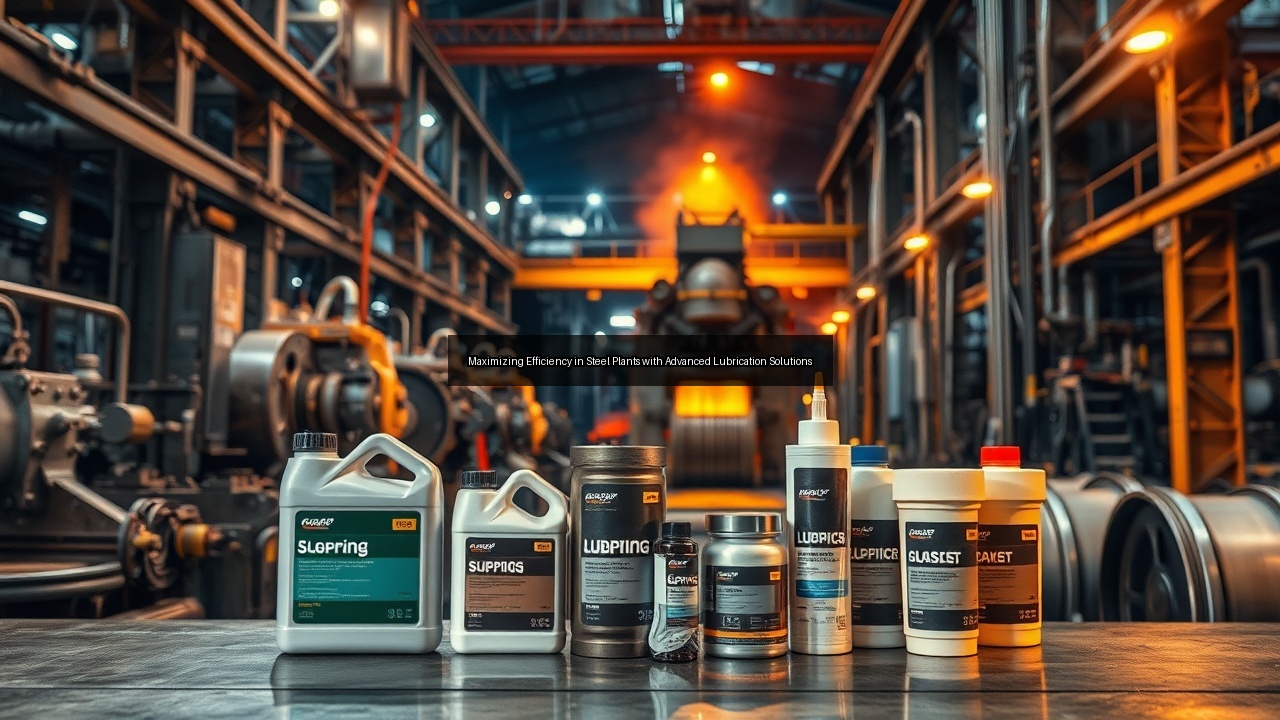
Maximizing Efficiency in Steel Plants with Advanced Lubrication Solutions
Understanding Steel Mill Lubrication Needs
The Role of Lubricants in Steel Production
Lubricants play a crucial role in the steel production process, impacting everything from machinery performance to the quality of the finished product. In steel plants, effective lubrication reduces friction between moving parts, minimizing wear and tear on equipment. This not only extends the lifespan of machinery but also enhances operational efficiency. Proper lubrication allows for smoother operations in various stages, including continuous casting, hot rolling, and tube bending. By preventing overheating and corrosion, lubricants contribute significantly to maintaining productivity bearing lubrication levels in steel mills.
Types of Steel Mill Lubricants
Steel mill lubricants come in various forms, including oils, greases, and metalworking fluids, each tailored to specific applications within the steel industry. Oils are typically used for high-speed machinery and require precise viscosity to ensure optimal flow and coverage. Greases, on the other hand, offer superior adhesion properties, making them ideal for bearing lubrication where retention is crucial. Metalworking fluids serve multiple purposes, including cooling, lubrication, and rust prevention during machining operations. Selecting the right type of lubricant is vital for maximizing efficiency and ensuring the smooth operation of steelworks.
Importance of Bearing and Gear Lubrication
Bearing and gear lubrication stands at the forefront of effective steel mill operation. Bearings support rotating elements and bear heavy loads, making proper lubrication essential to prevent failure and downtime. The right gear lubricants reduce friction, preventing gear wear and ensuring smooth transmission of power throughout the machinery. Insufficient lubrication can lead to catastrophic failures, resulting in costly repairs and lost productivity. Regular monitoring and maintenance of lubrication systems ensure that bearings and gears operate efficiently, contributing to the overall performance of the steel plant.
Advanced Lubrication Solutions for Steel Plants
Innovations in Metalworking Fluids
The advancement of metalworking fluids has revolutionized lubrication in steel mills. These fluids now include additives that enhance performance, such as anti-wear agents, extreme pressure additives, and emulsifiers. These innovations improve cooling properties, reduce friction, and prevent rust, making them more effective than traditional options. Additionally, advancements in formulation processes have led to the development of biodegradable and environmentally friendly lubricants. These innovations meet the stringent requirements of modern steel production while adhering to sustainability goals, addressing the industry's need for efficiency without compromising environmental standards.
Choosing the Right Oils and Greases
Selecting the appropriate oils and greases for steel mill applications involves understanding the specific requirements of machinery and operational conditions. Factors such as temperature range, load capacity, and environmental exposure play a critical role in this decision-making process. For instance, high-temperature greases are essential in hot rolling applications where machinery operates under extreme conditions. Moreover, synthetic oils often provide better performance and longevity than conventional mineral oils, especially in high-stress environments. Utilizing the right lubricants not only enhances equipment performance but also drives down maintenance costs by reducing the frequency of replacements and repairs.
Impact of Lubrication on Continuous Casting and Hot Rolling
In processes like continuous casting and hot rolling, efficient lubrication significantly influences the quality of the steel product. During continuous casting, lubrication minimizes friction between the molten steel and casting equipment, ensuring a smooth flow and preventing defects. In hot rolling, lubricants help maintain the temperature of the steel while enabling easy deformation. This reduces the risk of surface defects and improves the overall mechanical properties of the steel. By optimizing lubrication in these critical processes, steel plants can enhance product quality and operational efficiency, ultimately leading to greater competitiveness in the steel industry.
Maximizing Efficiency and Reducing Costs
Productivity Gains through Effective Lubrication
Implementing effective lubrication strategies leads to significant productivity gains in steel mills. By reducing friction and wear, steel plants can operate machinery at higher speeds and with greater reliability. This translates to more efficient production cycles and reduced downtime due to equipment failures. Moreover, optimized lubrication minimizes energy consumption, leading to lower operational costs. When equipment runs smoothly, operators can focus on maximizing output rather than managing issues related to lubrication failures. Thus, investing in advanced lubrication solutions becomes not just a maintenance decision but a strategic move toward enhancing overall productivity.
Cost-Benefit Analysis of Advanced Lubricants
A thorough cost-benefit analysis reveals that the initial investment in advanced lubricants yields substantial long-term savings. While the upfront cost of high-performance lubricants may be higher than conventional options, their benefits far outweigh the expenses. These lubricants enhance equipment life, reduce maintenance frequency, and minimize unplanned downtime, presenting a compelling case for their adoption. Additionally, the efficiency gains associated with lower energy consumption and higher productivity further justify the investment. By focusing on the long-term financial advantages, steel plants can make informed decisions that boost profitability.
Case Studies: Successful Implementation in Steelworks
Numerous steelworks have successfully implemented advanced lubrication solutions, resulting in impressive performance improvements. For example, a leading steel plant reported a 20% increase in production efficiency after switching to synthetic oils tailored for high-temperature applications. Another case study highlighted a mini mill that reduced its maintenance costs by 30% through the use of specialized greases designed for heavy-load bearings. These examples illustrate the tangible benefits of investing in modern lubrication technologies, showcasing how they can transform operations and contribute to the bottom line in the steel industry.
Future Trends in Steel Plant Lubrication
Sustainability in Lubrication Solutions
The steel industry increasingly emphasizes sustainability, and lubrication solutions are no exception. The demand for environmentally friendly lubricants continues to rise, with manufacturers developing bio-based products that reduce environmental impact. These sustainable lubricants not only meet performance requirements but also comply with stricter regulations regarding chemical usage. As the steel industry works toward reducing its carbon footprint, embracing sustainable lubrication practices will play a pivotal role in achieving these goals while maintaining operational efficiency.
The Role of Technology in Steel Mill Efficiency
Technology plays a crucial role in enhancing lubrication practices within steel mills. The integration of IoT devices and sensors allows for real-time monitoring of lubricant conditions and equipment performance. This data-driven approach enables proactive maintenance, ensuring that machines remain well-lubricated and functional. Additionally, advanced analytics can identify patterns in lubrication needs, allowing for tailored solutions that fit specific operational demands. By adopting technological innovations, steel plants can optimize their lubrication processes, leading to improved efficiency and reduced costs in the long run.
Emerging Trends in Industrial Lubricants
The landscape of industrial lubricants is evolving rapidly, with emerging trends shaping the future of lubrication in steel plants. The development of smart lubricants, which adapt their properties based on operating conditions, represents a significant advancement. Furthermore, the use of nanotechnology in lubricants enhances their performance characteristics, offering greater protection against wear and tear. As the steel industry continues to innovate, staying informed about these emerging trends will be essential for steelworks looking to maintain a competitive edge in a challenging market.
See Also
- Innovative Oils and Fluids Transforming the Future of Steel Mill Lubrication
- Unlocking the Secrets of Steel Mill Lubricants for Enhanced Productivity
- The Role of Lubricating Greases in Optimizing Steel Production Efficiency
- The Essential Guide to Bearing Lubrication in Steel Mills
- The Art of Tube Bending and the Lubricants That Make It Possible