Understanding the Diameter and Height Considerations in Rubber Mounts
The Importance of Diameter in Anti Vibration Rubber Mounts
Understanding Diameter and Its Role in Vibration Control
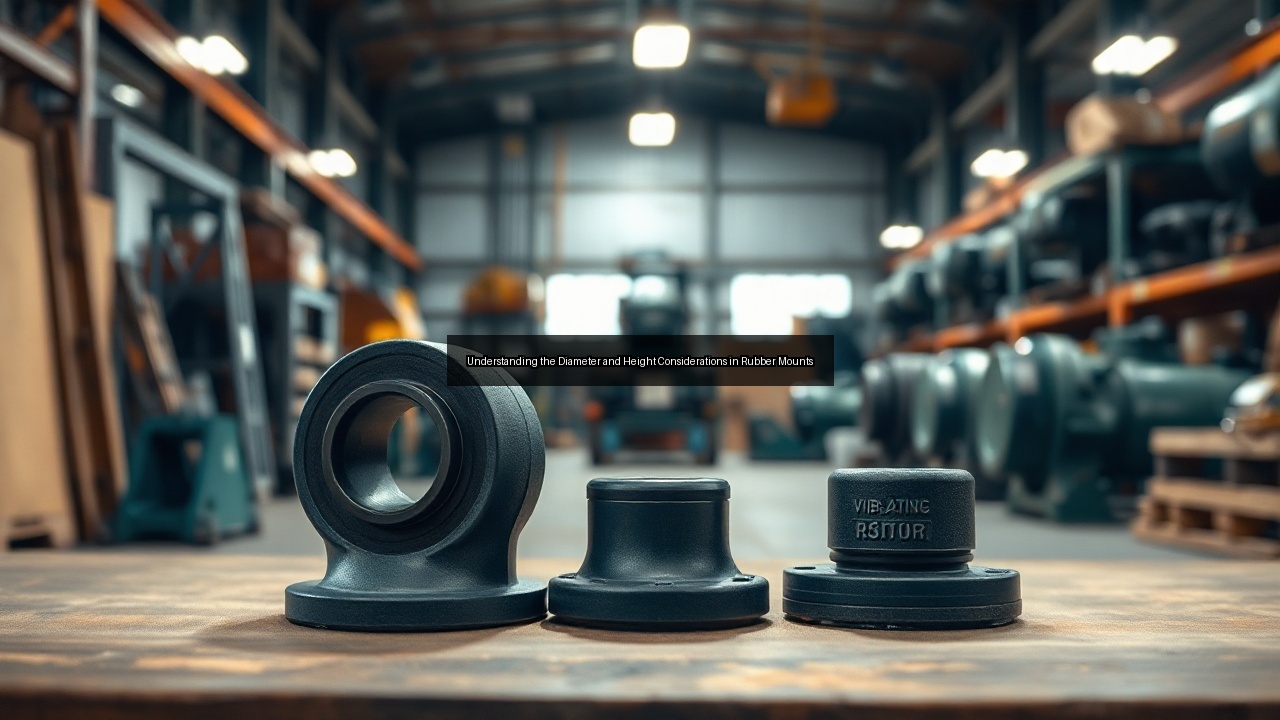
Diameter plays a crucial role in the effectiveness of anti vibration rubber mounts. It directly influences how well these mounts can manage vibrations generated by machinery. A larger diameter often provides a greater surface area for contact between the rubber mount and the machinery, which enhances the ability to absorb and dissipate energy from vibrations. This energy absorption is vital for minimizing the transfer of vibrations to surrounding structures, ultimately leading to improved comfort and safety. When selecting an anti vibration mount, understanding the diameter is essential for ensuring that it meets the specific needs of various applications.
How Diameter Affects Vibration Isolation Performance
The performance of vibration isolation hinges on the diameter of the rubber mount. A mount with an appropriate diameter can effectively reduce noise and vibrations, which is critical in settings like marine environments or HVAC systems. For instance, larger diameters can accommodate greater loads and provide enhanced stability, while smaller diameters may be ideal for compact machinery where space is limited. The relationship between diameter and vibration frequency also influences isolation performance. Engineers must analyze these factors to determine the optimal diameter for each application, ensuring the rubber mount can effectively dampen vibrations while maintaining structural integrity.
Choosing the Right Diameter for Different Applications
Selecting the correct diameter for anti vibration rubber mounts involves assessing the specific requirements of the machinery involved. In marine applications, for example, mounts need to withstand harsh conditions while effectively isolating vibrations from engines and generators. Conversely, HVAC systems may require mounts with different diameters to accommodate varying weight loads and vibration frequencies. Understanding the operating environment and the machinery's characteristics, such as weight and vibration intensity, helps in choosing the right diameter. Ultimately, proper diameter selection enhances vibration control, prolongs equipment lifespan, and reduces maintenance costs.
Height Considerations for Effective Vibration Damping
Why Height Matters in Anti Vibration Mounts
The height of anti vibration mounts plays a significant role in their overall effectiveness. Height impacts both the stiffness and compression characteristics of the mount, which are critical for effective vibration damping. A taller mount may provide greater deflection under load, allowing for more effective energy absorption. Conversely, shorter mounts can offer increased stiffness, which is beneficial for applications requiring precise alignment and minimal movement. Engineers must carefully evaluate the height of rubber mounts in conjunction with other design factors to ensure optimal vibration isolation performance across different machinery.
Impact of Height on Stiffness and Vibration Reduction
Height affects the stiffness of anti vibration rubber mounts significantly. Stiffness relates to how much a mount can compress or stretch under load. Taller mounts generally exhibit lower stiffness, promoting better vibration reduction by allowing for more flex and movement. This flexibility is crucial in applications like construction machinery, where heavy equipment generates substantial vibrations. On the other hand, applications requiring precision, such as transformers or sensitive electronic equipment, benefit from shorter, stiffer mounts that limit excessive movement. Analyzing the specific application requirements helps in determining the ideal height for achieving optimal vibration control.
Height Recommendations for Various Machinery Applications
Different machinery applications demand varying height specifications for anti vibration rubber mounts. For heavy industrial machines, a taller mount can absorb greater vibrations, while compact machines might require shorter mounts for stability. In HVAC systems, height choices often depend on the system's layout and the type of equipment being mounted. For example, compressors may benefit from mounts with moderate height, balancing between flexibility and stiffness. Similarly, marine applications necessitate careful height considerations to accommodate the dynamic nature of boat and ship operations. Manufacturers should provide guidelines that help engineers select the appropriate height based on the machinery's specific vibration characteristics.
Materials Used in Anti Vibration Rubber Mounts
Natural Rubber vs. Neoprene: Which is Better for Vibration Control?
Material choice greatly influences the performance of anti vibration rubber mounts. Natural rubber and neoprene are two common materials used in manufacturing these mounts, each offering distinct advantages. Natural rubber excels in flexibility and resilience, providing excellent vibration isolation in applications like automotive and industrial machinery. However, it has limitations in extreme temperatures and exposure to chemicals. Neoprene, on the other hand, offers superior resistance to oil, ozone, and weathering, making it suitable for marine and outdoor applications where environmental factors come into play. Evaluating the specific operating conditions helps determine which material is best for effective vibration control.
The Role of Elastomeric Materials in Vibration Isolation
Elastomeric materials, including both natural rubber and neoprene, play a vital role in vibration isolation. These materials possess unique properties that allow them to absorb and dissipate vibrational energy effectively. The flexibility of elastomers enables them to adapt to varying load conditions, ensuring consistent performance across different frequencies. Their viscoelastic nature contributes to efficient energy dissipation, which is essential in applications ranging from HVAC systems to construction machinery. By choosing the right elastomeric material, engineers can enhance the overall vibration control and noise reduction capabilities of their equipment.
Stainless Steel Components in Rubber Mounts: Benefits and Applications
Incorporating stainless steel components into anti vibration rubber mounts enhances durability and performance. Stainless steel provides structural integrity, allowing mounts to withstand higher loads and harsher environments without compromising their vibration isolation capabilities. This combination is particularly advantageous in marine and industrial settings where exposure to moisture and corrosive substances is prevalent. Using stainless steel components also extends the lifespan of the mounts, reducing the need for frequent replacements. Moreover, the integration of steel with elastomeric materials allows for optimized stiffness and damping characteristics, resulting in superior vibration control across various applications.
Applications of Anti Vibration Rubber Mounts
Marine and HVAC Systems: Specific Requirements
Marine and HVAC systems present unique challenges that require specialized anti vibration rubber mounts. In marine applications, mounts must endure extreme conditions, including saltwater exposure and fluctuating temperatures, while effectively isolating vibrations from engines and generators. Similarly, HVAC systems encounter vibrations from compressors and fans that could lead to noise disturbances if not properly managed. Anti vibration mounts in these systems must balance flexibility for vibration absorption with durability to withstand environmental stressors. Engineers must select mounts tailored to each system's specific requirements, ensuring optimal performance and longevity.
Use in Generators and Compressors: Ensuring Efficient Operation
Generators and compressors generate significant vibrations during operation, making anti vibration rubber mounts essential for maintaining efficiency and performance. Proper vibration isolation ensures that mechanical components operate smoothly, minimizing wear and tear and extending equipment lifespan. In generators, mounts absorb vibrations from engines, preventing noise and potential damage to surrounding structures. Compressors also benefit from vibration control, as reduced vibrations lead to quieter operation and improved reliability. Selecting the right mounts for these applications enhances operational efficiency and contributes to overall system performance.
Vibration Isolation in Construction Machinery and Transformers
Construction machinery and transformers require effective vibration isolation to ensure safe and efficient operation. Heavy equipment, such as excavators and bulldozers, generates substantial vibrations that can affect both operator comfort and structural integrity. Anti vibration rubber mounts help mitigate these vibrations, improving safety and reducing maintenance costs. Similarly, transformers, which handle large electrical loads, benefit from vibration damping to prevent mechanical stress and extend operational life. Choosing the right anti vibration mounts for these applications is critical for achieving optimal performance and ensuring long-term reliability.
See Also
- Why Every Construction Site Needs Quality Anti Vibration Rubber Mounts
- Choosing the Right Anti Vibration Mount for Your Industrial Needs
- Transforming Your Construction Projects with Effective Vibration Isolation
- Why Every Transformer Needs Effective Vibration Isolation Solutions
- Comparing Different Types of Rubber Mounts for Engine Applications